
Context Mismatch: The Styling Error That Experience Makes Worse
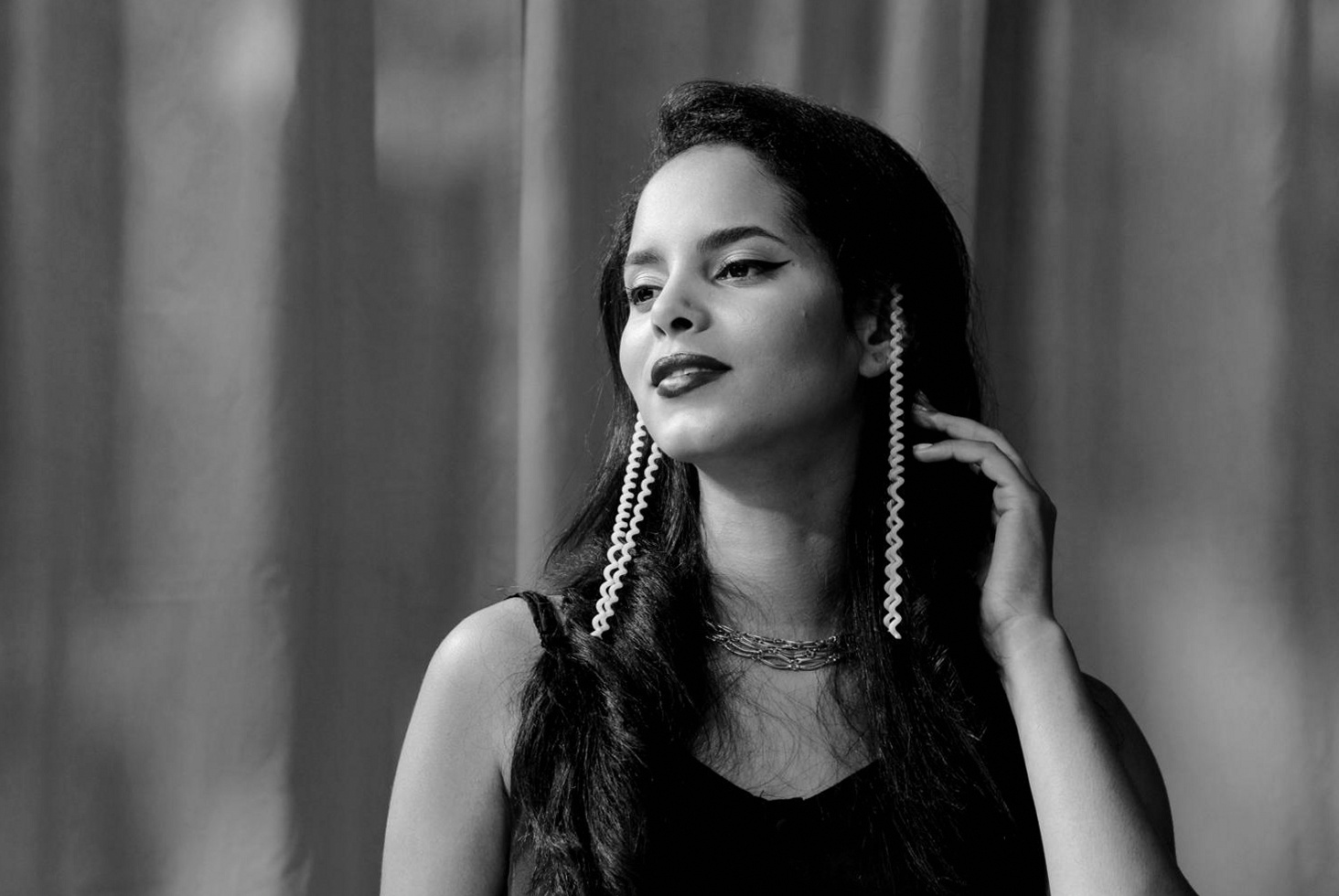
Experienced dressers develop strong personal style over time. That is the goal. The unintended side effect is a reduced sensitivity to context — a tendency to dress for self-expression when the situation calls for audience awareness.
A full day across three different environments
Isolde moves through a day that includes an internal team meeting, a client lunch at a mid-range restaurant, and an after-work industry event. She wears the same outfit to all three. It is a good outfit. It is also wrong for at least two of those contexts in ways she does not register because the outfit feels like her.
Why this gets harder with experience
Style confidence is genuinely useful. The problem is that it can become a filter that blocks environmental reading. When your aesthetic is settled, the question shifts from what do I like to what does this situation require — and those are different questions that experienced dressers sometimes stop asking separately.
Context mismatch is not always dramatic. It can be as subtle as wearing a very formal watch to a creative studio, or a relaxed linen blazer to a meeting where everyone else is in structured tailoring. The gap signals something about attention to context that is hard to walk back once noticed.
The practical recalibration
Before each distinct engagement in a day, spend sixty seconds asking what the room will expect and whether your current outfit meets, matches, or deliberately subverts that expectation. Subversion is a valid choice — but it should be a choice, not an oversight.
Dressing well for yourself and dressing well for a room are related skills, but they are not identical.